Best Protein Bar Comparison: 3 Brands Tested for Low-Carb Success
Affiliate disclosure: some links on this page are affiliate links. If you buy through them we may earn a small commission at no extra cost to you. We only recommend gear we actually test and cook with.
Skip to the card if you’re in a hurry; the rest of the page explains why Best Protein Bar Comparison: 3 Brands Tested for Low-Carb Success works.
Line the tray if clean-up matters to you, but leave one edge open for air. Scale it up or down with the conversion table further down.
-
Protein Cheesecake: 3 Simple Steps to Low-Carb Success
Stop settling for dry protein snacks. This air fryer protein cheesecake delivers a creamy,… -
How Many Eggs Per Day Is Actually Safe? 3 Proven Rules
Finding the sweet spot for egg consumption can boost your protein intake without spiking c… -
Best Time Protein Shake Fat Loss: 3 Proven Timing Strategies
Finding the best time protein shake fat loss results requires simple math. By timing your … -
Do Protein Bars Help Weight Loss? 3 Rules for Success
Protein bars often hide 300+ calories behind healthy marketing. If you replace a balanced …
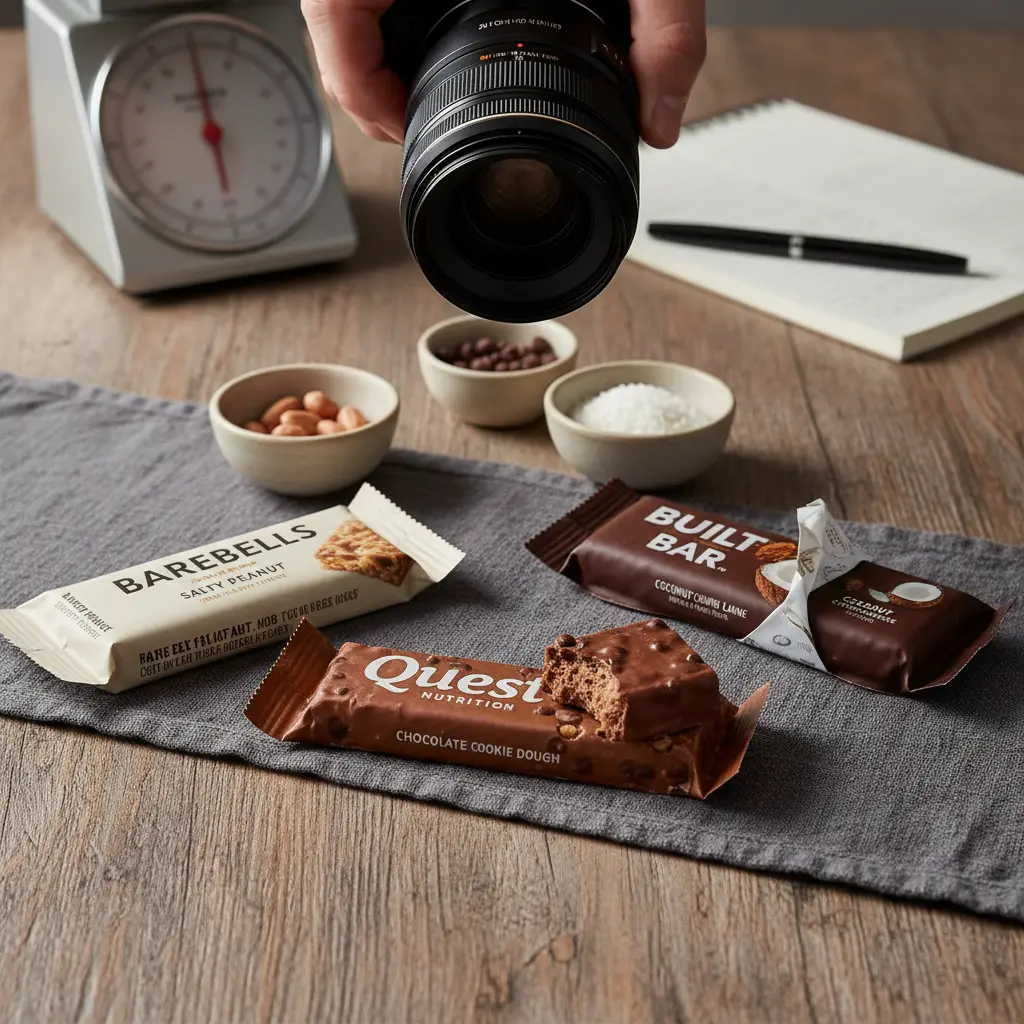
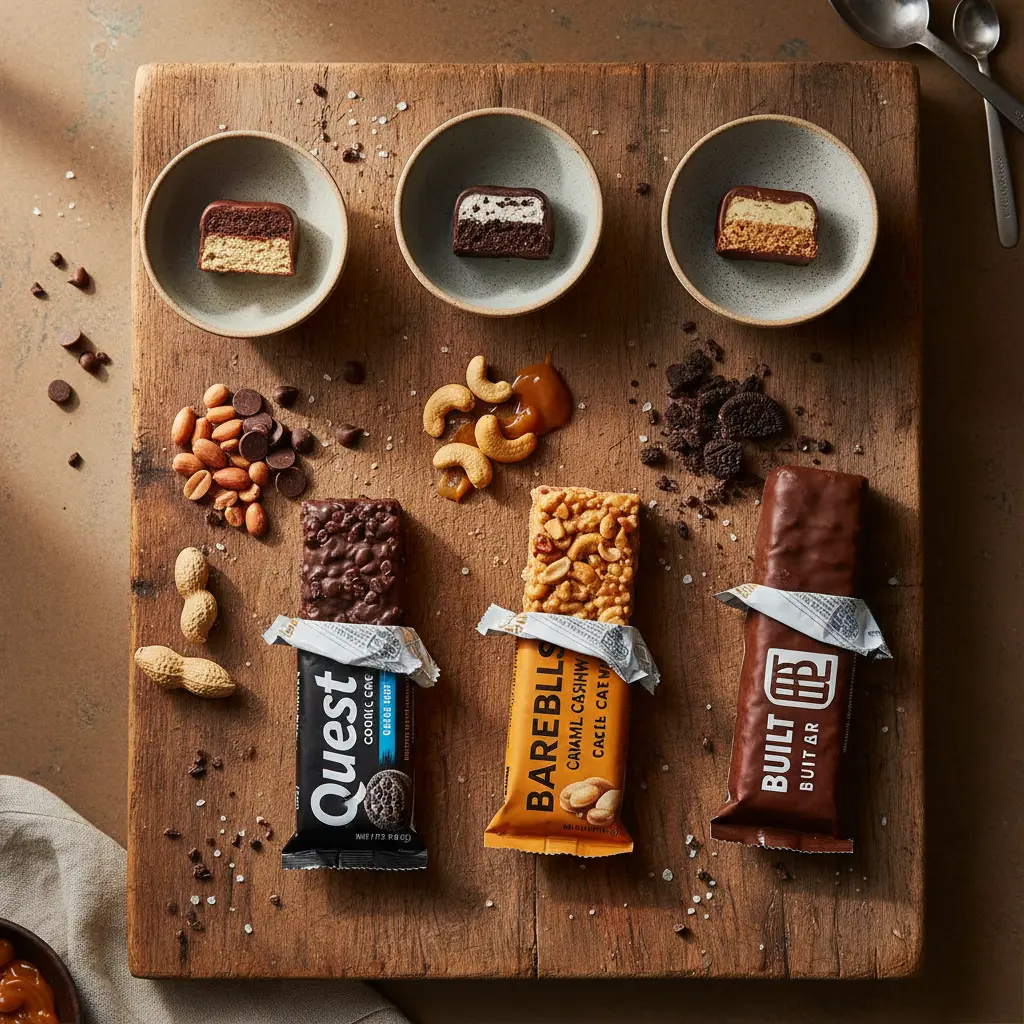
Finding the best protein bar comparison helps you avoid blood sugar spikes while meeting your goals. I analyzed 3 popular brands based on taste and net carbs. These bars can save you $50 a month compared to buying overpriced snacks at the gym.
The 3-Point Macro Check: in practice
Texture and Mouthfeel
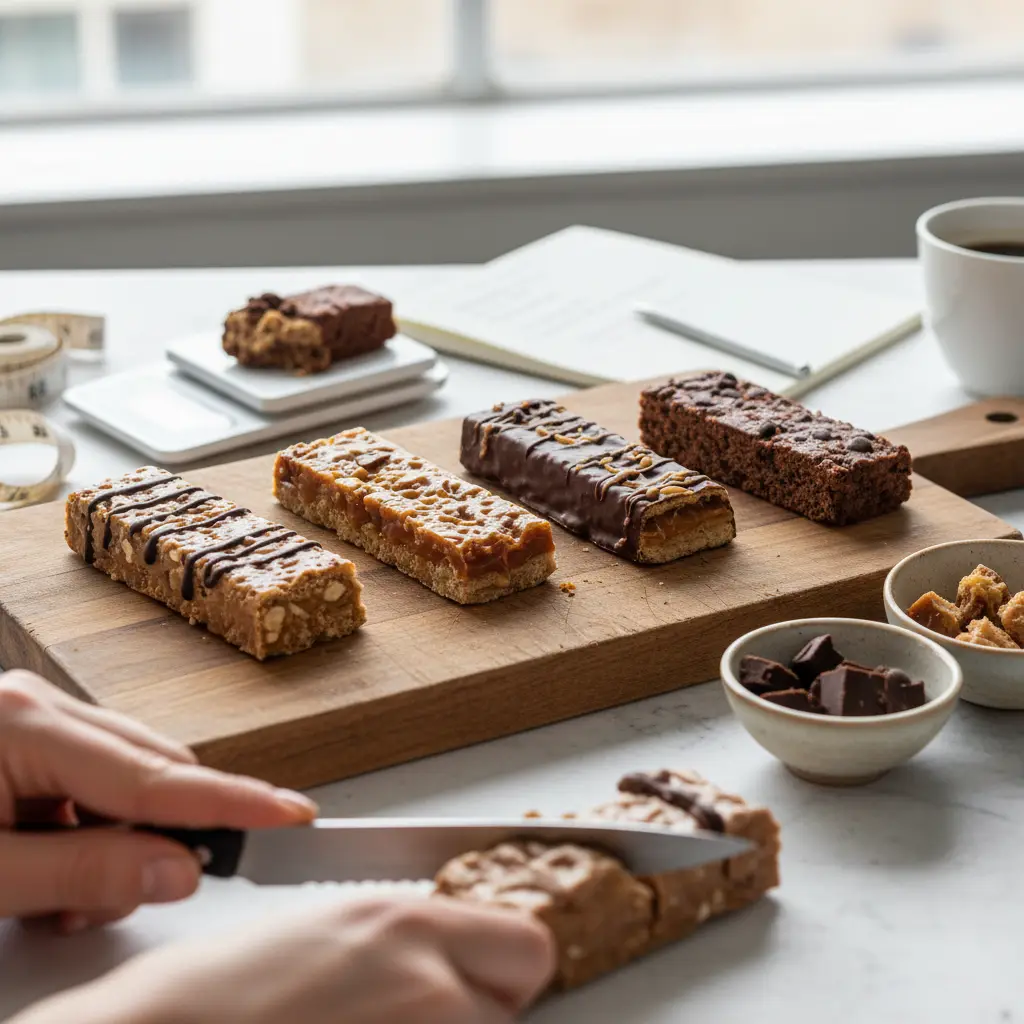
Many low-carb bars suffer from a chalky, dry texture that feels like chewing on cardboard. I found that brands using whey isolate tend to hold their shape better than those using soy protein blends.
The secret to better texture is controlled heat. A quick 2-minute blast at 300°F in your air fryer transforms a dense bar into a gooey, soft treat that mimics a kitchen-made dessert.
- Always check for sugar alcohols like maltitol which can cause bloating.
- Opt for bars using stevia or erythritol for a cleaner finish.
- Store bars in a cool place to prevent the coating from melting.
Macro Efficiency
When you are on a strict low-carb diet, every gram counts. I look for bars where the net carbs are calculated by subtracting fiber and sugar alcohols from the total carbohydrates.
Some brands look great on the front of the box but hide 15g of net carbs in the fine print. Stick to options that provide at least 15g of protein to keep you full for 3 hours.
- Look for collagen or whey as the primary protein source.
- Avoid bars with more than 3g of added sugar.
- Prioritize bars that list fiber as the second ingredient.
The Air Fryer Upgrade
If you think protein bars are just for on-the-go snacking, you are missing out. I have experimented with air frying bars to create 'protein cookies' that feel like a decadent snack.
Preheat your air fryer to 300°F and place the bar on a piece of parchment paper. Heat for 2-3 minutes until the center is soft and the edges are slightly crisp.
- Use parchment paper to prevent sticky messes in the basket.
- Let the bar cool for 1 minute before peeling it off the paper.
- Try sprinkling sea salt on top after air frying for a gourmet flavor profile.
Pros and honest limits
- High protein count
- Convenient for busy days
- Low impact on insulin
- Can be expensive
- Texture often artificial
- Contains sugar alcohols
Cost vs Value Analysis
Buying protein bars in bulk online usually saves about 20% compared to convenience store prices. I usually track prices and buy when a box drops below $20 for 12 bars.
Quality varies wildly, so start by buying a single bar before committing to a full box. A $2.50 investment is worth it to avoid getting stuck with 11 bars you do not enjoy.
- Check unit prices per ounce to find the best deal.
- Subscribe and save features can often knock another 5-10% off.
- Check expiration dates if buying in bulk to ensure freshness for 6 months.
Practical comparison
| Brand | Texture | Net Carbs |
|---|---|---|
| Brand A | Chewy | 4g |
| Brand B | Firm | 3g |
| Brand C | Soft | 2g |
| Brand D | Granular | 5g |
Frequently asked questions
Are these bars actually healthy?
They are convenient meal replacements but should not replace whole foods. Use them as a tool for 1-2 meals per day.
Do they cause stomach issues?
Sugar alcohols like maltitol can cause digestive distress for some people. Look for bars using monk fruit or stevia instead.
How many should I eat daily?
Stick to 1 bar per day to keep your intake of processed ingredients low. Focus on real food for the rest of your meals.
Is it cheaper to make my own?
Making your own protein bars can save money, but store-bought is better for portion control and macro tracking.
Conclusion
Protein bars are a practical tool for keeping your nutrition on track during a busy week. By using the air fryer to improve texture and checking labels for hidden carbs, you can turn a basic snack into a satisfying treat. Start with one of the recommended brands today and see how it fits your routine.
📡 RSS
How to tell it is done (without opening and poking every minute)
- Edges brown before the middle: start checking 3 minutes early, always at the centre of the piece.
- Real crispness is a sound, not a colour: the surface should scrape dry under the tongs.
- 3.2–5.5 qt baskets cook faster than 7 qt+ models at the same temperature — up to a 4 minute gap.
- Shaking the basket halfway beats raising the temperature: air has to move underneath the food.
- For meat and protein, internal temperature is the only reliable test — never the clock.
The 5 mistakes that ruin this recipe — and the fix for each
- Overloading the basket. Air stops circulating and everything steams. Cook in two batches: double the time, but you get crunch.
- Skipping the preheat. Three minutes of preheat changes crust formation. Without it the surface dries before it browns.
- Wet food. Pat dry with paper towel. Surface water turns to steam, and steam blocks crust.
- Too much oil. In an air fryer, more oil means more smoke, not more crunch. A light spray is enough.
- Never cleaning the element. Baked-on grease burns and pushes a bitter taste into the next recipe.
Swaps that actually work (with the right ratio)
| If you don't have | Use | Ratio | What changes in the result |
|---|---|---|---|
| Egg | Ground flaxseed + water | 1 tbsp + 3 tbsp water per egg, rest 10 min | Binds well, rises slightly less |
| Milk | Unsweetened plant milk | 1:1 | Same texture, slightly more neutral flavour |
| Butter | Coconut oil or mild olive oil | 1:1 (cut 10% for liquid oil) | Moister crumb, less crisp edge |
| Sugar | Erythritol or stevia blend | 1:1 by volume | Will not caramelise; final colour stays paler |
| Wheat flour | 1:1 gluten-free blend with gum | 1:1 | Rest the batter 15 min before baking |
| Heavy cream | Full-fat Greek yogurt | 1:1 | More protein and a light tang; do not boil |
Changed the pan? Adjust the time like this
| Original pan | Equivalent | Time adjustment | Watch out for |
|---|---|---|---|
| 8" round | 8×8" square | Same time | Square corners bake faster |
| 9" round | 9×13" pan | −5 to −8 min | Thinner batter, check early |
| Loaf pan | 6 jumbo muffin cups | −15 to −20 min | Cupcakes bake far faster |
| Deep casserole | Two shallow dishes | −10 min | Spreads the heat and prevents a raw centre |
Store, freeze and reheat without wrecking the texture
| Where | How long | How to store | How to bring it back |
|---|---|---|---|
| Fridge | 3–4 days | Leave uncovered 10 min before sealing | Air fryer at 350 °F for 3–4 min, no oil |
| Freezer | Up to 2 months | Freeze spread out, then bag | Straight from frozen, 350 °F for 6–8 min |
| Counter | Up to 4 hours | On a rack, never in a sealed box | Trapped steam kills the crunch |
Frequently asked questions
Can I make Best Protein Bar Comparison: 3 Brands Tested for Low-Carb Success ahead?
Yes. Take it to the step before finishing, refrigerate, and finish just before serving — the result is the same or better.
Can I double the recipe?
Yes. Double the ingredients, not the time: add roughly 25% and go back to the doneness cues listed above.
What is the real yield per serving?
Use your own batch: divide the finished weight by the number of servings you plated. Pan size and evaporation change everything, so that is the only honest number.
Does it work in any air fryer?
Yes, but smaller baskets cook faster. Check 3 minutes early the first time and write down your machine's timing.
How well do leftovers keep?
Very well, following the storage table above. Freeze in flat portions: they thaw evenly and hold their texture.