Cottage Cheese Ice Cream Blender Method: 3 Ways to Perfect It
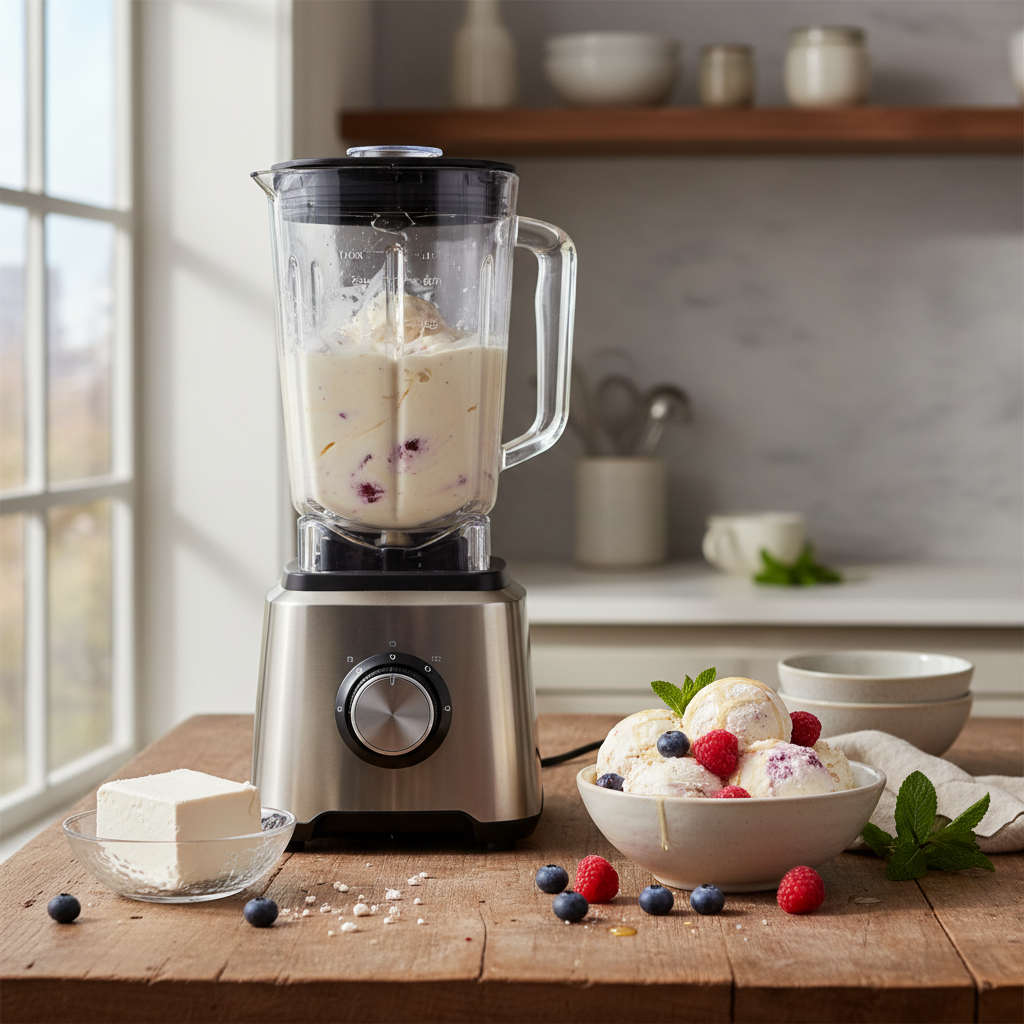
Stop buying overpriced pints. Using a cottage cheese ice cream blender technique delivers a high-protein dessert in under 10 minutes of active prep time. You can save 80% on grocery bills by making this keto-friendly treat at home with just 4 basic ingredients.
The Smooth Blend Protocol: in practice
Why Cottage Cheese Works
Most people think protein ice cream requires expensive powders. Cottage cheese provides a natural, creamy base that hits 15 grams of protein per serving without the chalky aftertaste of whey.
The whey-to-casein ratio in cottage cheese prevents icy crystals from forming during the freeze. This mimics the mouthfeel of traditional churned ice cream perfectly.
- Use 4% fat cottage cheese for the best results.
- Avoid low-fat versions as they turn into icy blocks.
- Blend until no curds remain for a professional finish.
Mastering The Texture
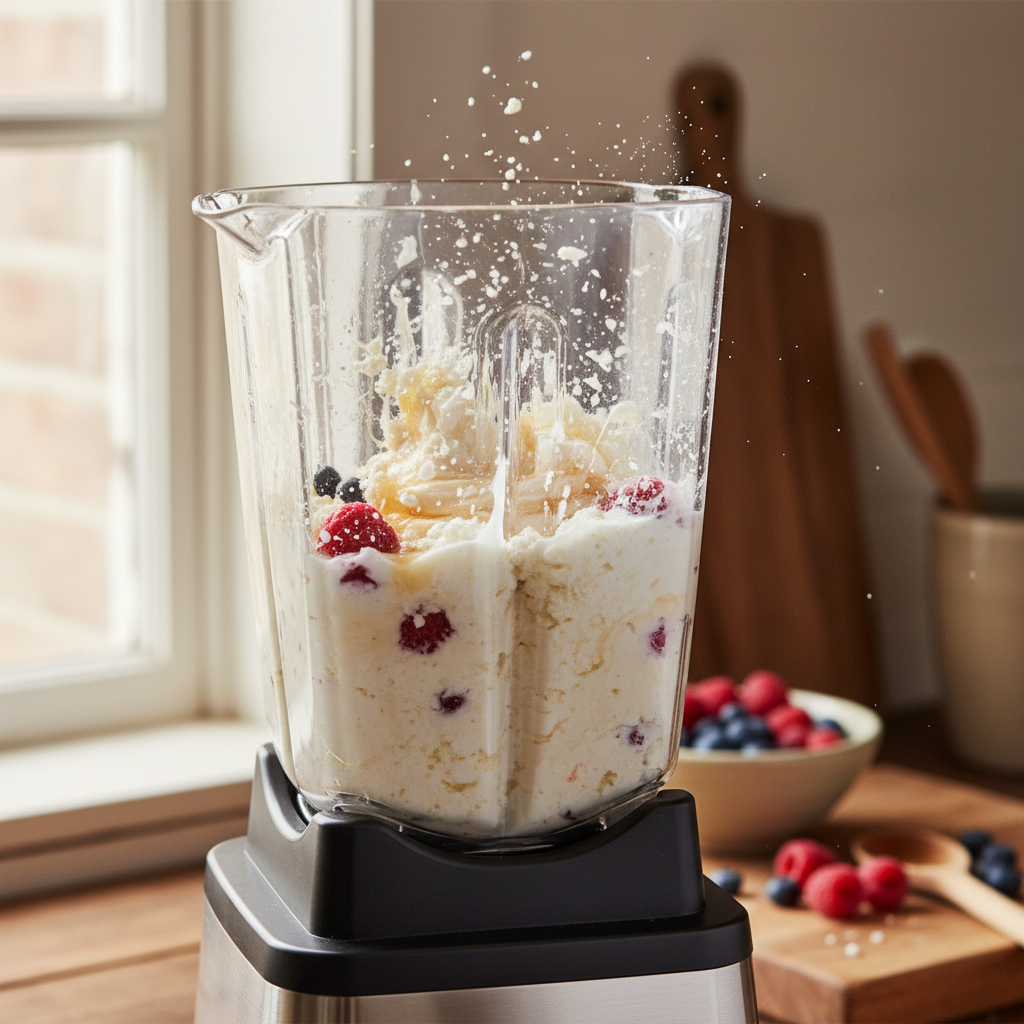
The secret to success is the shear force of your blender. If you leave even tiny curds behind, the final texture will feel gritty rather than smooth like gelato.
Air incorporation is key for that light, fluffy bite. If your blender has a pulse setting, use it to fold in mix-ins during the final 30 seconds of processing.
- Room temperature cottage cheese blends faster.
- Scrape the sides of the blender down mid-cycle.
- Add 1 tbsp of heavy cream for extra richness.
Low-Carb Flavor Profiles
You don't need sugar to make this dessert shine. Stevia or monk fruit drops provide sweetness without spiking your blood sugar, keeping the net carb count under 5 grams per serving.
Experiment with extracts like almond, peppermint, or even a dash of cinnamon. These add zero carbs while creating complex flavor profiles that taste like luxury store-bought brands.
- Use 1/4 tsp of almond extract for a marzipan vibe.
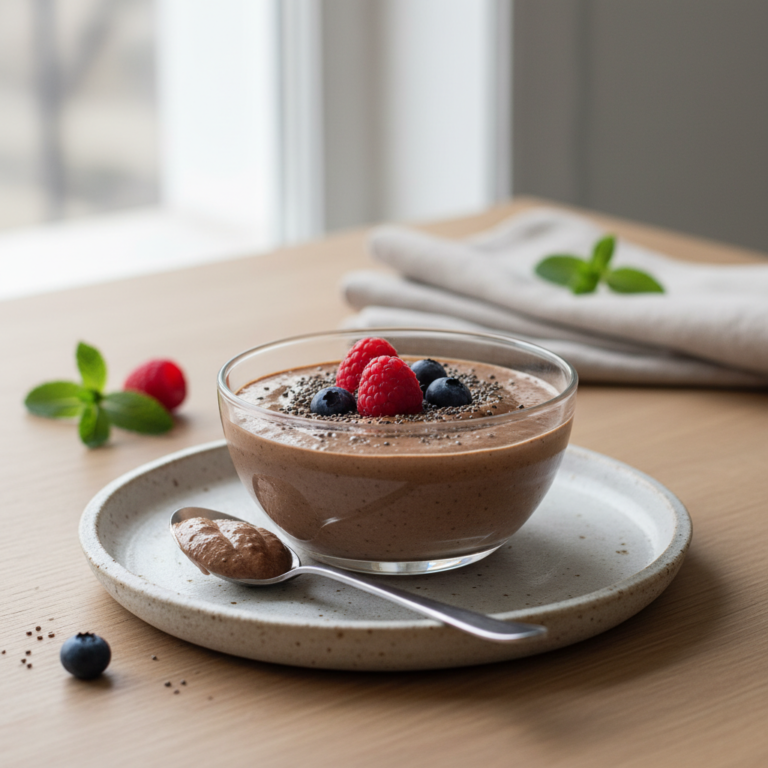
- Add 1 tbsp of cocoa powder for a deep chocolate base.
- Fold in toasted walnuts for a satisfying crunch.
Pros and honest limits
- Extreme protein density
- Very low sugar content
- Zero cooking required
- Requires high-speed blender
- Needs time to set
- Texture isn't identical to dairy ice cream
Serving and Storage Tips
This ice cream is best consumed within 7 days of freezing. Since it lacks commercial stabilizers, it will harden significantly if stored longer than 2 weeks in a standard freezer.
Take your container out of the freezer 5 minutes before serving. This allows the temperature to rise slightly, making it easier to scoop and more enjoyable to eat.
- Use a warm ice cream scoop for perfect spheres.
- Store in a shallow container to reduce freezing time.
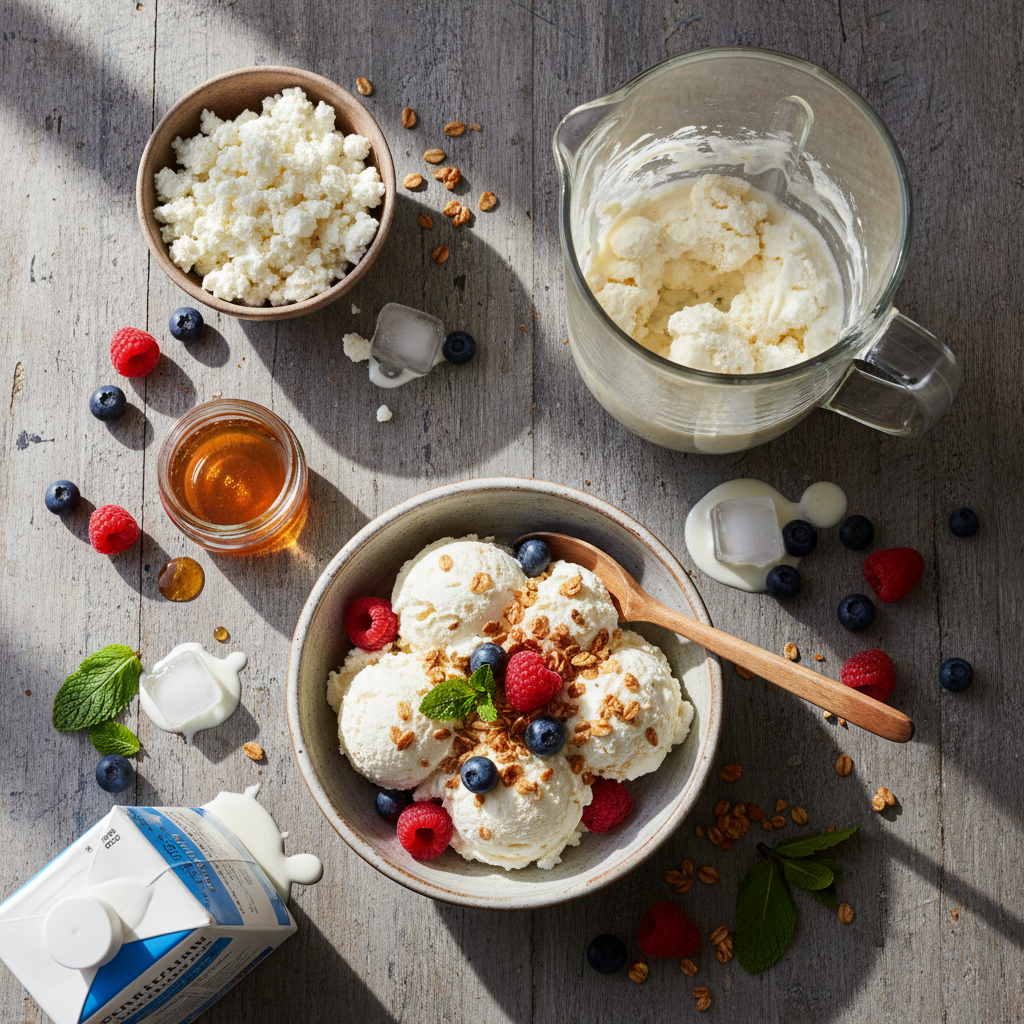
- Top with fresh berries for a burst of acidity.
Practical comparison
| Ingredient | Function | Budget Impact |
|---|---|---|
| Cottage Cheese | Base/Protein | Low ($3) |
| Heavy Cream | Fat/Texture | Medium ($2) |
| Sweetener | Flavor/Keto | Low ($1) |
| Mix-ins | Texture/Variety | Varies ($0-$5) |
Frequently asked questions
Does it actually taste like cheese?
Once you add sweetener and vanilla, the cheesy tang disappears almost entirely. It tastes like a dense, creamy vanilla frozen yogurt.
Can I use a hand mixer?
I do not recommend it. A hand mixer cannot break down the curds enough to get that smooth, ice-cream-like consistency you get from a high-speed blender.
How long does it last?
It stays fresh for up to 14 days in the freezer. Beyond that, the texture begins to degrade and become icy.
Is this keto-friendly?
Yes, as long as you use sugar-free sweeteners. Each serving typically contains less than 5 grams of net carbs.
Conclusion
The cottage cheese ice cream blender method is the ultimate hack for low-carb eaters. It is fast, cheap, and surprisingly delicious. Give it a try this weekend and let me know your favorite flavor combination in the comments below!