
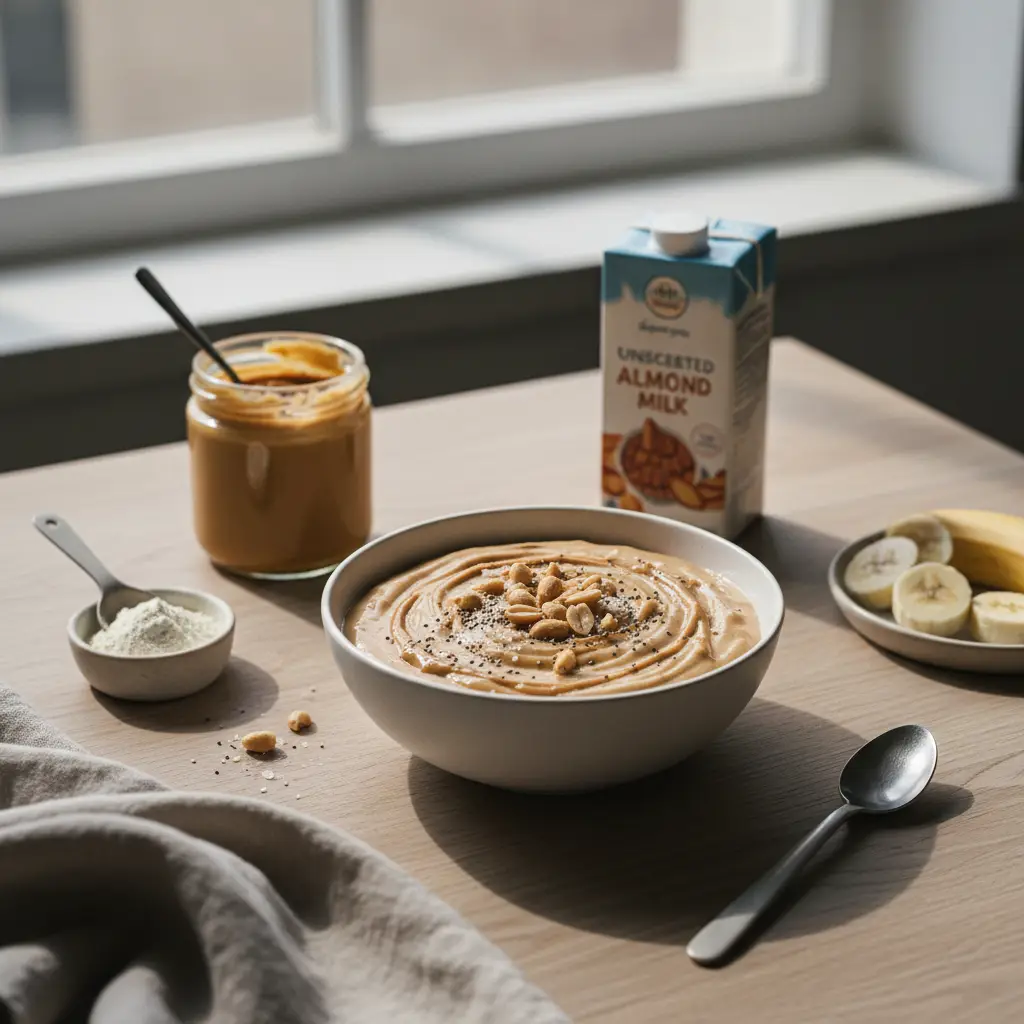
Peanut Butter Protein Pudding: what changed after 3 tests
The version of Peanut Butter Protein Pudding: what changed after 3 tests below is the one we actually make at home, not the photogenic one.
Rest it briefly before serving; the texture settles and the slices hold together. There’s a short troubleshooting list if something goes off.
-
Protein Pudding No Protein Powder: 3-Ingredient Low-Carb Hack
Stop overpaying for processed powders. You can make a thick, creamy protein pudding no pro… -
8 Best Cottage Cheese Brand Picks for High-Protein Low-Carb Diets
Finding the best cottage cheese brand can boost your daily protein intake by 15-20g per se… -
Tiramisu Yogurt Bowl: 5-Minute Low-Carb Breakfast Hack
Transform your morning routine with this high-protein tiramisu yogurt bowl. It packs 30g o… -
Coconut Protein Pudding: 5-Minute Low-Carb Dessert
This coconut protein pudding delivers a creamy, high-protein dessert in under 5 minutes. W…
This peanut butter protein pudding delivers 25g of protein in under 10 minutes. It is the perfect low-carb solution for late-night cravings. You only need 4 simple pantry staples to make this creamy dessert.
The 4-Fold Whip: in practice
Why This Works for Low-Carb
Traditional puddings rely on cornstarch and sugar. This recipe uses the natural structure of Greek yogurt and protein powder.
You stay under 6g of net carbs per serving. It keeps your blood sugar stable while hitting those sweet cravings.
- Use unsweetened almond milk to save 8g of sugar.
- Choose a whey isolate for faster digestion.
- Stick to natural peanut butter with only peanuts and salt.
Mastering the Texture
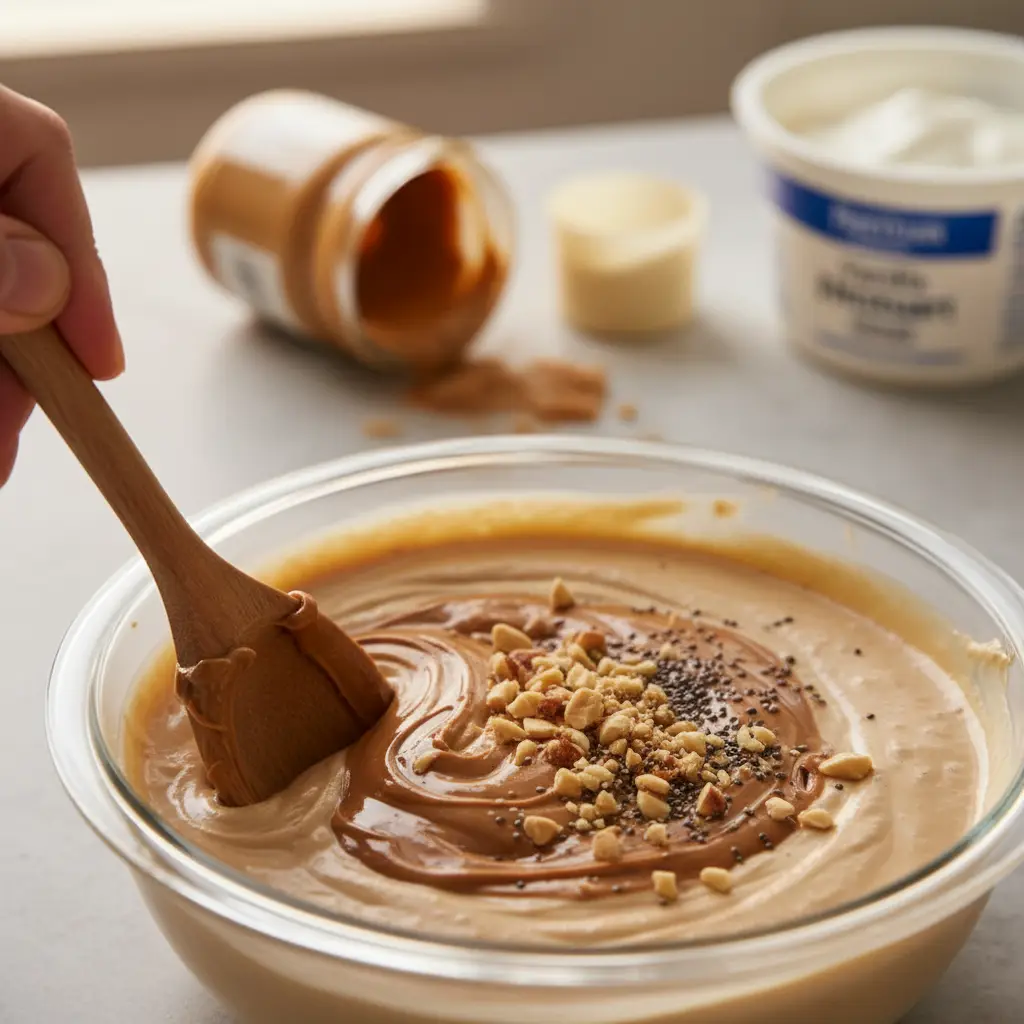
The secret to a smooth pudding is the order of operations. Always dissolve your dry protein powder into the liquid first.
Adding yogurt too early can result in a grainy texture. Patience during the whisking phase is mandatory for a professional finish.
- Whisk for at least 2 minutes to incorporate air.
- If it is too thick, add 1 tsp of water at a time.
- Serve in glass ramekins to keep it cold.
The Air Fryer Connection
While this is a no-bake recipe, I often use my air fryer to toast crushed peanuts for the topping. It adds a smoky crunch.
Preheat to 350°F and toast the nuts for 3 minutes. This elevates the pudding from a snack to a gourmet dessert.
- Toast chopped peanuts at 350°F for 3 minutes.
- Cool the nuts completely before adding to pudding.
- Never cook the pudding inside the air fryer.
Pros and honest limits
- Extremely high protein content
- Zero cooking required
- Budget friendly ingredients
- Requires chilling time
- Can be thick if not whisked
- Texture varies by protein brand
Storage and Scaling
This recipe scales perfectly for meal prep. You can store individual servings for up to 4 days in the fridge.
Always cover tightly with plastic wrap to prevent a skin from forming on top. Give it a quick stir before eating.
- Portion into 4 oz containers for easy grab-and-go.
- Do not freeze, as the yogurt will separate upon thawing.
- Double the batch for a week of high-protein snacks.
Practical comparison
| Type | Prep Time | Protein |
|---|---|---|
| Standard Pudding | 30 min | 2g |
| Protein Pudding | 10 min | 25g |
| Store Bought | 1 min | 8g |
| DIY Blend | 5 min | 22g |
Frequently asked questions
Can I use plant-based protein?
Yes, but you may need an extra 1 tbsp of almond milk. Plant proteins absorb more moisture than whey.
How long does it stay fresh?
It lasts 4 days in the refrigerator. Ensure the container is airtight to maintain moisture.
Is this kid-friendly?
Absolutely. It tastes like a peanut butter candy treat without the sugar crash.
Can I swap peanut butter for almond butter?
Yes, it works exactly the same. The carb count remains effectively identical.
Conclusion
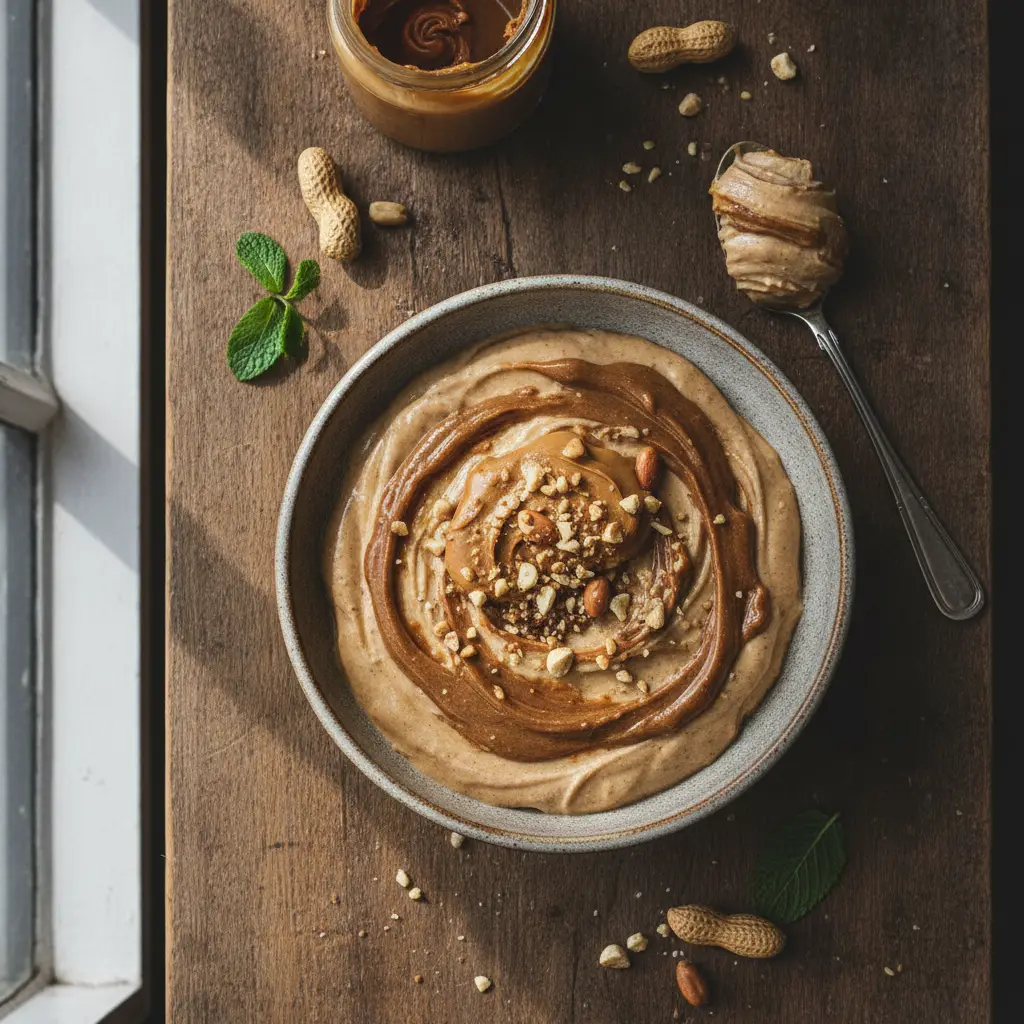
This peanut butter protein pudding is the ultimate low-carb hack for busy weeks. With 25g of protein and just 4 ingredients, it is hard to beat. Try this method today and let me know how your batch turns out in the comments below.
📡 RSS
Related reading
Leia também: chocolate peanut butter yogurt bowl
Leia também: peanut butter overnight oats
Leia também: strawberry protein pudding
How to tell it is done (without opening and poking every minute)
- Chilled-set means firm at the edge with a slight wobble in the centre: it finishes setting cold.
- Under 4 hours in the fridge is the number one cause of layers that slump on the plate.
- Building it in a glass? Chill the glass first: the bottom layer holds its line from the first spoonful.
- Cream that will not whip was almost always warm — bowl and whisk have to be cold.
- Cover with plastic touching the surface so it neither skins over nor picks up fridge smells.
The 5 mistakes that ruin this recipe — and the fix for each
- Rushing the chill. Under 4 hours and the layer slumps. Make it the night before: it improves, never suffers.
- Warm base. A warm layer melts the one above it. Every layer must be cold before the next goes on.
- Overwhipping the cream. Past the peak it splits. Stop when the whisk leaves a firm trail.
- Smudged glass. The glass build is the product: wipe the rim with paper after every layer.
- Freezing it assembled. Thawing releases water between the layers. Freeze the components separately.
Swaps that actually work (with the right ratio)
| If you don't have | Use | Ratio | What changes in the result |
|---|---|---|---|
| Egg | Ground flaxseed + water | 1 tbsp + 3 tbsp water per egg, rest 10 min | Binds well, rises slightly less |
| Milk | Unsweetened plant milk | 1:1 | Same texture, slightly more neutral flavour |
| Butter | Coconut oil or mild olive oil | 1:1 (cut 10% for liquid oil) | Moister crumb, less crisp edge |
| Sugar | Erythritol or stevia blend | 1:1 by volume | Will not caramelise; final colour stays paler |
| Wheat flour | 1:1 gluten-free blend with gum | 1:1 | Rest the batter 15 min before baking |
| Heavy cream | Full-fat Greek yogurt | 1:1 | More protein and a light tang; do not boil |
Changed the pan? Adjust the time like this
| Original pan | Equivalent | Time adjustment | Watch out for |
|---|---|---|---|
| 8" round | 8×8" square | Same time | Square corners bake faster |
| 9" round | 9×13" pan | −5 to −8 min | Thinner batter, check early |
| Loaf pan | 6 jumbo muffin cups | −15 to −20 min | Cupcakes bake far faster |
| Deep casserole | Two shallow dishes | −10 min | Spreads the heat and prevents a raw centre |
Store, freeze and reheat without wrecking the texture
| Where | How long | How to store | How to bring it back |
|---|---|---|---|
| Fridge | 3 days | Plastic touching the surface | Serve straight from cold |
| Freezer | 1 month (components) | Layers separate, never assembled | Thaw 6 h in the fridge |
| Transport | 2 hours | Cooler with ice underneath | Assemble on arrival so layers hold |
Frequently asked questions
Can I make Peanut Butter Protein Pudding: what changed after 3 tests ahead?
Yes. Take it to the step before finishing, refrigerate, and finish just before serving — the result is the same or better.
Can I double the recipe?
Yes. Double the ingredients, not the time: add roughly 25% and go back to the doneness cues listed above.
What is the real yield per serving?
Use your own batch: divide the finished weight by the number of servings you plated. Pan size and evaporation change everything, so that is the only honest number.
Does it work on any oven or stove?
Yes, but equipment varies by up to 35 °F. Judge by the doneness cues, not the clock, and note your own timing.
How well do leftovers keep?
Very well, following the storage table above. Freeze in flat portions: they thaw evenly and hold their texture.


