Cottage Cheese Before Bed: 3 Science-Backed Reasons to Eat It
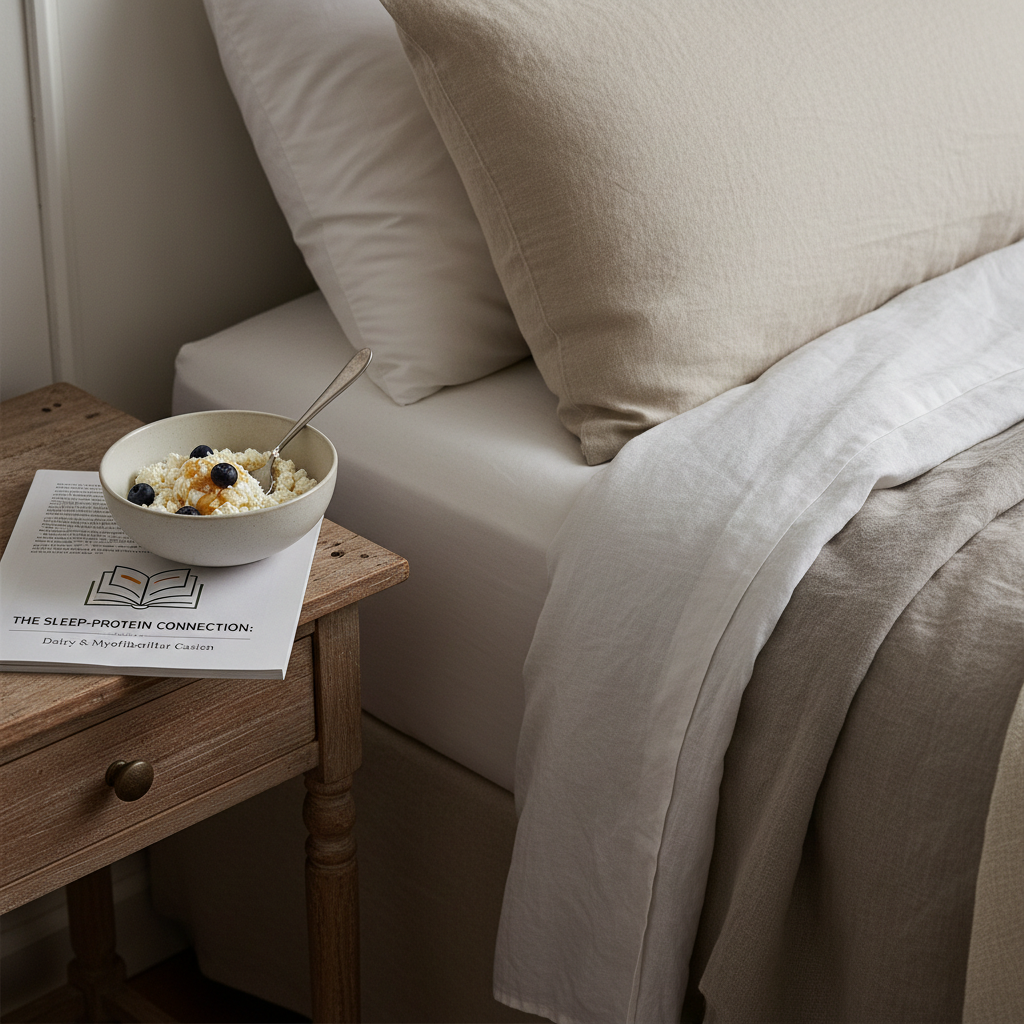
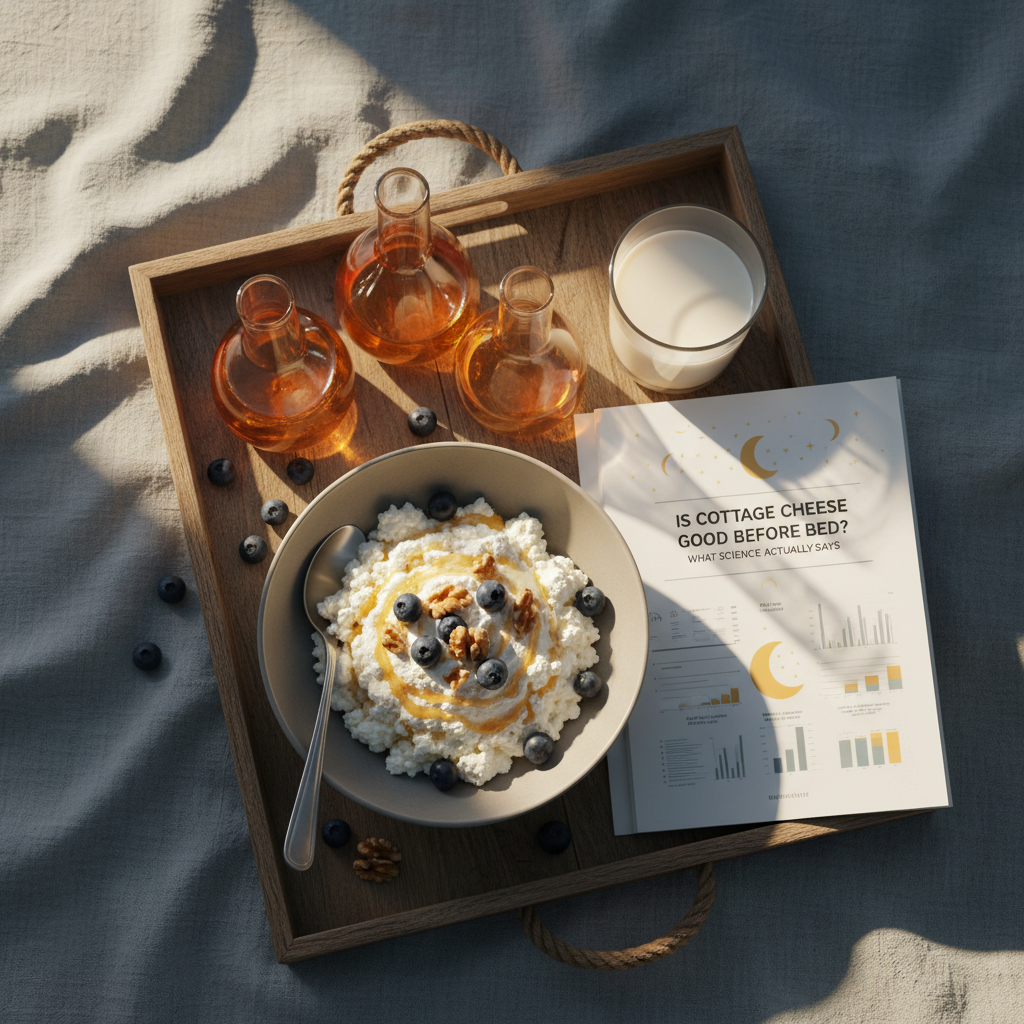
Eating cottage cheese before bed can boost your overnight muscle recovery by up to 20% due to its slow-digesting casein protein. This low-carb staple is a game changer for staying satiated throughout the night.
The Casein Recovery Method: in practice
The Science of Casein
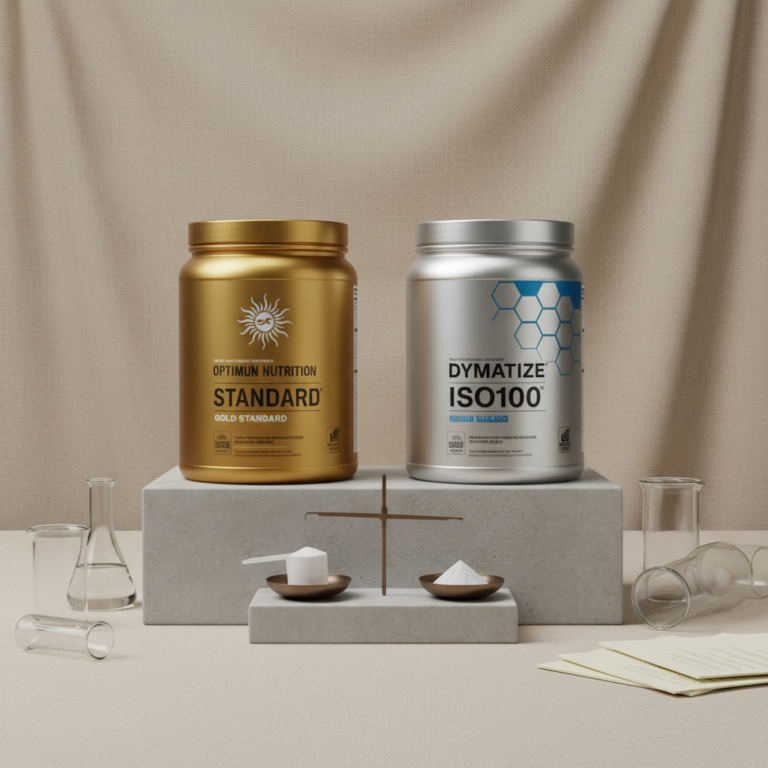
Cottage cheese is roughly 80% casein protein. Unlike whey, which spikes your blood sugar quickly, casein forms a gel in your stomach.
This gel slows down the digestion process significantly. It creates a steady stream of amino acids for your muscles while you sleep.
- Prevents catabolic muscle breakdown for 7 hours.
- Rich in calcium which helps with nerve relaxation.
- Keeps insulin levels stable during deep sleep cycles.
Why Low-Carb Dieters Love It
Most snacks before bed are loaded with sugar. Cottage cheese offers a high-protein, low-carb profile that fits perfectly into a ketogenic lifestyle.
A standard 4 oz serving contains less than 4 grams of carbs. This allows you to stay in fat-burning mode throughout the night.
- Average cost is just $0.80 per serving.
- Contains 0 grams of added sugar if purchased plain.
- Pairs well with air-fried savory toppings.
Avoiding Nighttime Bloat
Some people struggle with dairy digestion. If you notice bloating, stick to a smaller 2 oz portion to test your tolerance.
Avoid eating within 30 minutes of lying down. Give your body time to begin the digestion process before heading to bed.
- Choose low-sodium options to prevent water retention.
- Avoid adding high-sugar fruits like pineapple or mango.
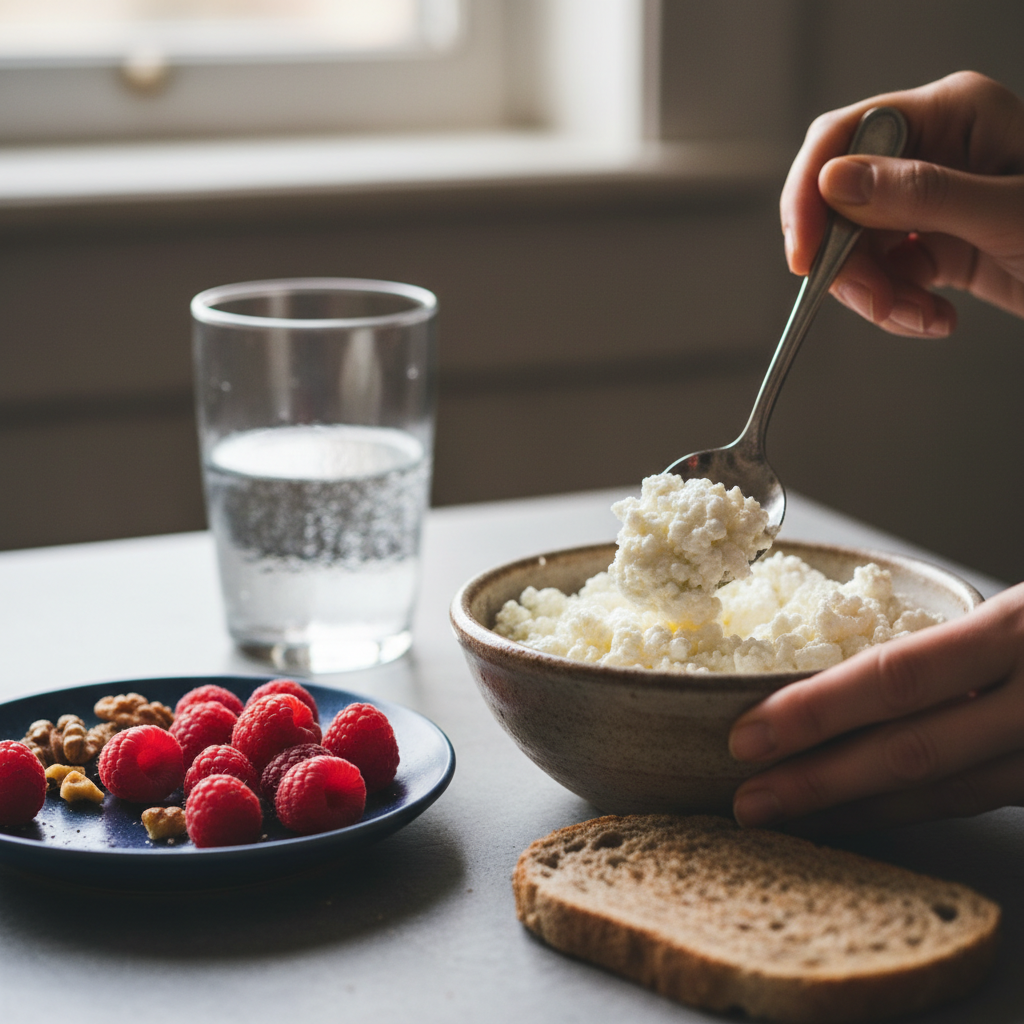
- Drink 8 oz of water alongside your serving for better digestion.
Pros and honest limits
- High casein content supports muscle repair
- Inexpensive and accessible at most stores
- Highly versatile for savory or sweet cravings
- Can cause bloating in sensitive individuals
- Texture is polarizing for many new eaters
- Must be refrigerated constantly to prevent spoilage
Maximizing Your Results
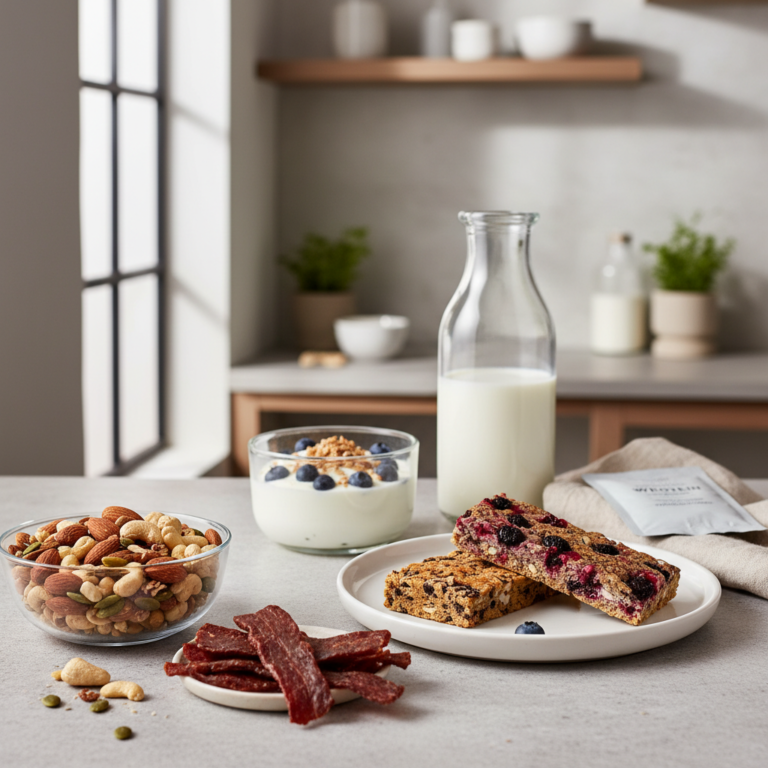
Pairing your cottage cheese with healthy fats can slow digestion even further. This is the ultimate strategy for long-term satiety.
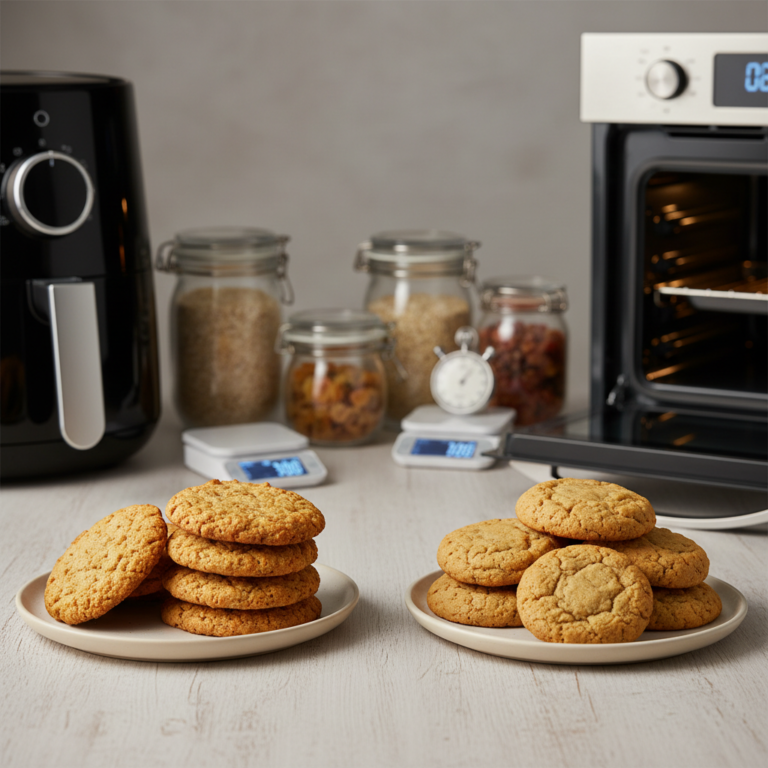
Try using your air fryer to toast some almonds at 300°F for 5 minutes. Sprinkle these over your cheese for a crunch.
- Use chia seeds for an added fiber boost.
- Keep total snack volume under 200 calories.
- Always consume plain to avoid hidden fillers.
Practical comparison
| Protein Source | Digestive Speed | Carb Count |
|---|---|---|
| Cottage Cheese | Very Slow | Low |
| Greek Yogurt | Moderate | Medium |
| Whey Shake | Fast | Low |
| Almonds | Slow | Very Low |
Frequently asked questions
Will eating cheese before bed make me gain weight?
Weight gain is driven by total daily calories. As long as the cottage cheese fits within your daily caloric limit, it will not cause weight gain.
Can I eat this if I am lactose intolerant?
Cottage cheese has less lactose than milk, but it still contains some. If you are sensitive, choose a lactose-free brand or stick to a small 1 oz portion.
Is the sodium in cottage cheese bad for sleep?
For most healthy people, the sodium in a standard serving is negligible. If you have high blood pressure, look for low-sodium or 'no salt added' varieties.
Does it have to be cold?
Not at all. You can eat it at room temperature, but avoid heating it significantly as it will separate and lose its creamy texture.
Conclusion
Cottage cheese is a nutritional powerhouse for late-night snacking. By focusing on the high casein content, you support your fitness goals while keeping your insulin levels in check. Try adding it to your routine tonight and see how your recovery feels tomorrow.